Steroids in Cosmetics: Types, Role, and Natural Alternatives
What are steroids and what types are there?
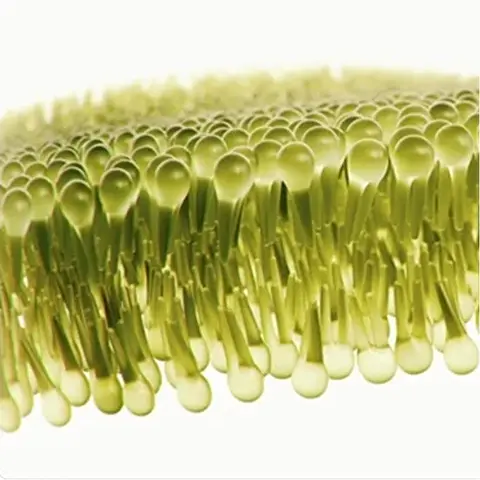
Steroids are lipophilic organic compounds based on four connected cycloalkane rings. They are essential components of the human body and are involved in many biological functions. Sounds complicated? Essentially, they are molecules that regulate everything from inflammation to hormones.
- Corticosteroids are produced in the adrenal cortex. Glucocorticoids, such as cortisol, regulate metabolism and have an anti-inflammatory effect. This is why they are often used to treat inflammatory skin conditions. You can find more about cortisol and its effect on the skin in a separate article.
- Sex steroids — estrogens, progesterones, and androgens — regulate sexual functions and affect skin condition. The decrease in estrogen during menopause directly affects skin thickness and elasticity.
- Anabolic steroids are synthetic compounds most commonly associated with sports. They are not used in cosmetics.
- Vitamin D derivatives help regulate calcium concentration in the blood. They are important not only for bones but also for skin cell renewal.
How Do Steroids Work in Cosmetics?
In the cosmetics industry, corticosteroids are valued for their anti-inflammatory effects. They reduce skin redness, swelling, and pain. This is especially important when treating chronic skin conditions.
Steroids are included in creams, ointments, and lotions intended for use on affected areas. They not only reduce inflammation but also suppress the immune response that can cause skin problems.
But it is important to understand: steroid creams are not a daily care product. They are intended to address specific problems and should be used for a limited time.
- Eczema - one of the most common conditions for which steroids help. They reduce dryness, itching, and redness. Read more about this in our article what is eczema.
- Psoriasis - an autoimmune condition in which the skin produces too many cells. Steroids help reduce thickness and redness. You will find more information in the psoriasis article.
- Dermatitis - steroids also work on contact dermatitis caused by an allergic reaction or irritation. We wrote separately about the most common allergic skin reactions.
Do you know why dermatologists warn against long-term use of steroid creams? Steroids thin the skin. After several months of continuous use, the skin becomes vulnerable, a network of capillaries appears, and skin atrophy may begin. Our cosmetologists recommend: if a steroid cream was prescribed for an acute period, after treatment switch to daily soothing products without steroids—with niacinamide, azelaic acid, or humic acid. This will help the skin recover and remain protected.
What are the natural alternatives to steroid creams?
Steroids are effective for acute cases. But what comes next? Daily care requires gentler products that soothe the skin without thinning it.
- Niacinamide (vitamin B3) strengthens the skin barrier and reduces redness without side effects. A 5% concentration works within 4-6 weeks.
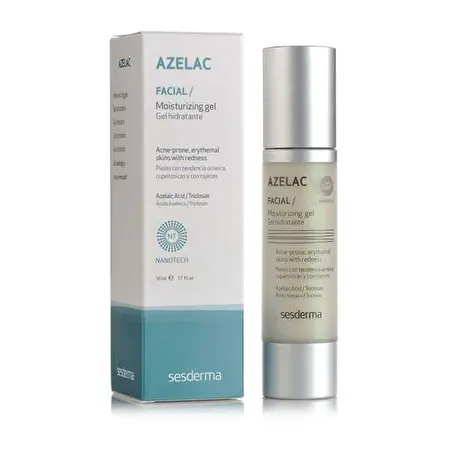
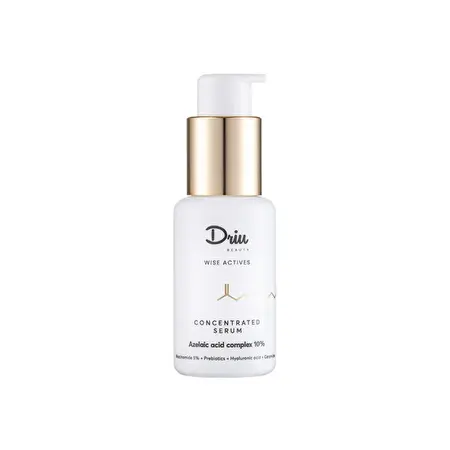
- Azelaic acid reduces inflammation and regulates skin renewal. It is suitable after steroid treatment - it helps maintain a calm condition for a long time.
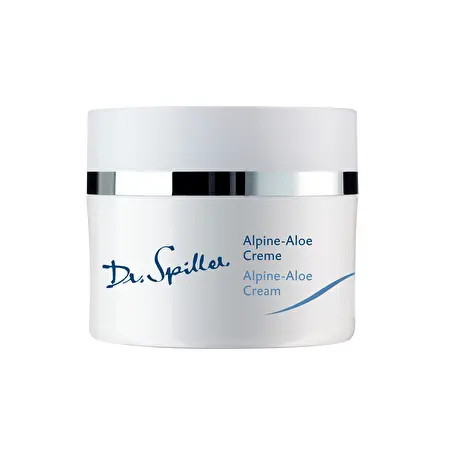
- Aloe vera soothes instantly and moisturizes damaged skin. Alpine aloe vera is even more effective due to a higher concentration of active ingredients.
- Humic acids - a rare but highly effective ingredient from the wetland ecosystem. They strengthen capillaries, soothe reactive skin, and reduce micro-inflammation. You can find them in Trawenmoor Organic products.
Recommended products for sensitive and inflammation-prone skin
We most often recommend these products after steroid treatment or as a daily alternative