Urea in Cosmetics: How Does It Work and What Skin Is It Suitable For?
Why is urea worth paying attention to?
Urea is a natural component of the skin’s natural moisturizing factor (NMF). It is present in everyone’s skin. When the amount of urea decreases, the skin becomes dry, rough, and begins to flake.
Urea has been used in cosmetics for decades - not because of trends, but because of its effectiveness. A low concentration moisturizes, while a high concentration exfoliates. This dual action explains why the same ingredient is suitable for both face cream and foot care. Customers are often surprised to learn that their favorite body cream contains urea.
What Is Urea and How Does It Affect the Skin?
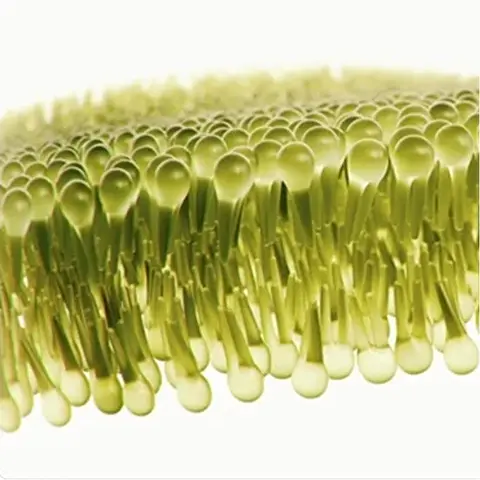
Urea (Latin: urea) is a low-molecular-weight compound produced by our body. In the skin, it forms part of the natural moisturizing factor—the same complex that retains moisture in the stratum corneum. Cosmetics use synthetically produced urea that is identical to the natural form.
The most interesting property of this ingredient is that it works differently depending on its concentration. This is a rare phenomenon in the world of ingredients.
Low concentrations (2-5 %) - moisturizing
Such creams retain water in the skin. Urea attracts moisture from the deeper layers to the surface layers and helps it stay there. Suitable for facial skin, dry hands, and daily body care. Customers often ask how it differs from hyaluronic acid—urea works not only as a humectant but also as an NMF component, helping to restore the skin’s natural balance.
Medium concentrations (5-10 %) - gentle smoothing
In this range, urea begins to have a keratolytic effect—it gently breaks down intercellular bonds in the stratum corneum. The skin becomes smoother, and rough areas are softened. Perfect for elbows, knees, and thighs, where the skin tends to thicken.
High concentrations (10-40 %) - exfoliation
A concentration of 10 % or higher already works as an active exfoliating product. Such products are used for thickened skin on the feet, rough areas on the legs, and in cases of keratosis, when small rough bumps appear on the skin. 40 % urea is already a professional product for nails and very thickened skin.
How Does Urea Differ from Hyaluronic Acid?
These are two different moisturizers. Hyaluronic acid retains a large amount of water in the surface layers but does not penetrate deeply. The urea molecule is smaller, so it penetrates deeper, works as part of the NMF, and, at higher concentrations, softens the stratum corneum. For dry, dehydrated skin, urea is often the better choice—especially in winter.
Can urea and AHA acids be used at the same time? Our cosmetologists often receive this question, and the answer is simple - yes, but sensibly. If you already use a 10 % urea cream for the body and a glycolic acid serum for the face, these are two separate areas and no problems arise. But if you want to use a high-concentration urea cream on the face together with an AHA peel - we recommend spacing them out throughout the day: a moisturizing cream with urea in the morning, acids in the evening. For clients with sensitive skin, we recommend starting with a 5 % concentration and monitoring the skin’s reaction for at least two weeks.
How to Use Urea Cream Correctly?
Urea products work best on damp skin. After showering or washing, do not dry your skin completely - leave it slightly damp and then apply the cream. Urea will draw that moisture into the skin and lock it in.
For the face, choose creams with a concentration of 5 % or lower. These products are ideal for morning or evening care and can be combined with serums. For dry facial skin, urea often works better than hyaluronic acid alone - we notice this every day in our work.
For the body, you can confidently use a 10 % concentration daily, especially on elbows, knees, and thighs. For feet and very rough areas, a 10-25 % concentration is suitable; use 2-3 times per week in combination with gentle exfoliation.
One frequent question is whether it is suitable for a flaky scalp. Yes, there are special shampoos and lotions with urea that help soften scalp flaking. If you are looking for a consistent solution, we recommend browsing the products for dehydrated skin category - there you will find both urea and other important humectants.
Our Cosmetologists’ Recommendations with Urea
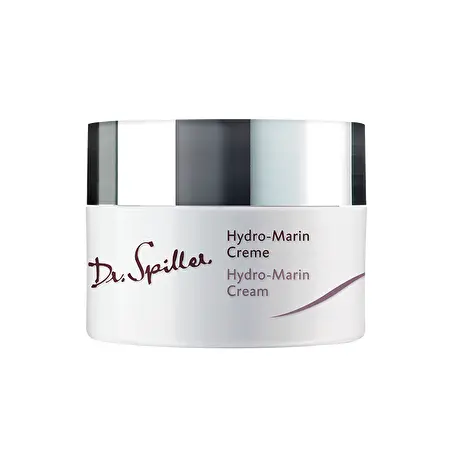
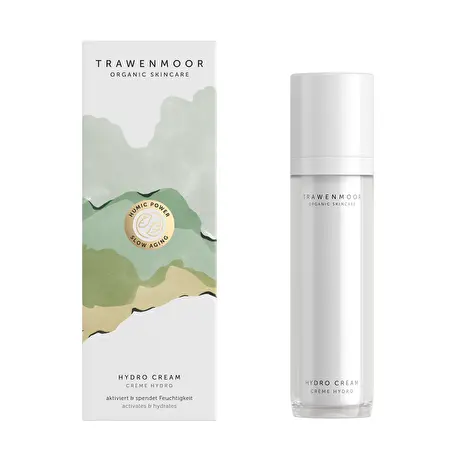
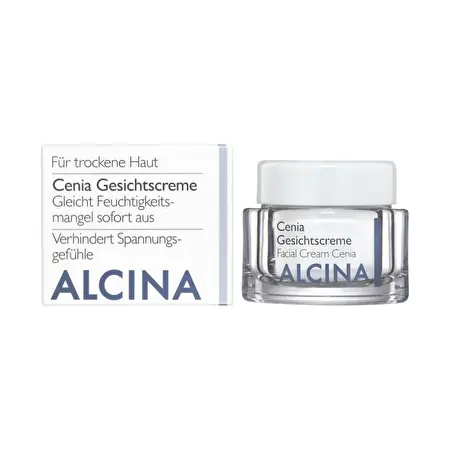
We have selected three products that best demonstrate how urea works on different areas of the skin and for different concerns. Choose one for daily body care, another to soften rougher areas, and the third for facial skin hydration. All products have proven effective when working with our clients.