Eczema: what it is, how to recognize it and soothe the skin
What Is Eczema and Why Does It Occur?
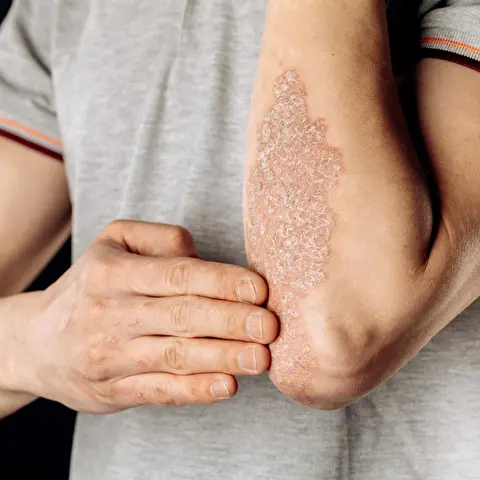
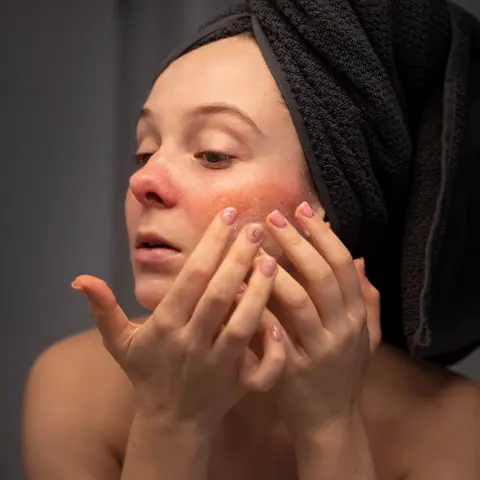
Eczema is a general term for a group of chronic inflammatory skin conditions characterized by a compromised skin barrier. In other words, the skin can no longer properly retain moisture inside and prevent external irritants from entering. As a result, it becomes dry, itchy, and red.
The causes are usually combined. Genetic predisposition, immune system response, environmental factors, and stress - all of these factors contribute to flare-ups. For some, eczema appears in infancy and weakens over time, while for others, the first symptoms appear in adulthood. Have you noticed that your skin feels worse during the colder months? This is very common.
Types of Eczema and How to Recognize Them
When talking about eczema, what is most often meant is atopic dermatitis - the most common form of this condition. But there are several types of eczema, and each has its own characteristics. Understanding which one you are dealing with is important when choosing skincare products.
Atopic Dermatitis
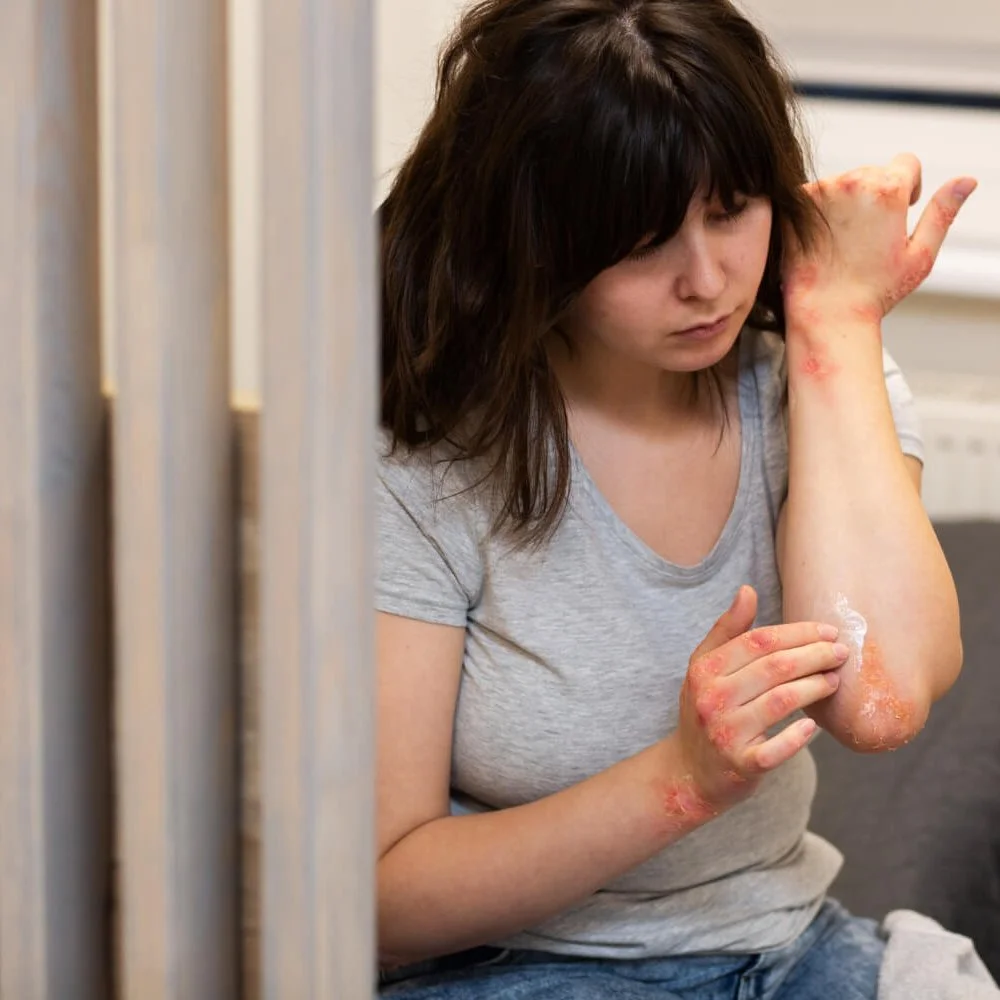
This is a chronic form that often begins in childhood. The skin is very dry, itchy, and red, flaky patches appear. Common areas include the creases of the elbows, the backs of the knees, the neck, and the face. Atopic dermatitis is often associated with allergies and asthma - this is called the atopic triad.
Contact Dermatitis
Occurs when the skin comes into contact with an irritant or allergen - detergents, metal, fragrances, cosmetic ingredients. The rash appears exactly where the contact occurred. Once the irritant is removed, the skin calms down.
Dyshidrotic Eczema
Manifests as small itchy blisters on the palms and soles. It is more common in summer or during periods of stress.
Seborrheic Eczema
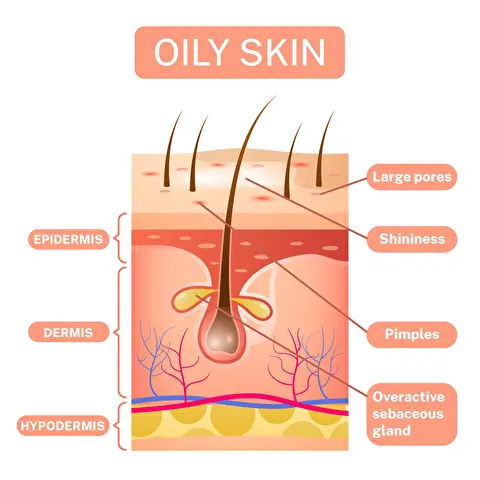
Affects areas with sebaceous glands - the scalp, eyebrows, and the sides of the nose. It manifests as yellowish, greasy scales.
Eczema Symptoms - What to Look Out For
The main eczema symptoms that almost every patient will mention are:
Severe, sometimes unbearable itching. Dry, rough skin that flakes. Redness and inflammation. The skin becomes thinner and constantly cracks in some areas. In more severe cases - oozing sores and crusts. Long-standing eczema thickens the skin; it becomes “leathery,” with a more pronounced pattern.
It is important to distinguish eczema from other skin conditions. For example, psoriasis also presents as red, flaky patches, but its scales are silvery, firmly attached, and the itching is milder than in eczema. Fungal infections and contact allergic reactions can sometimes also mimic eczema, so an accurate diagnosis should be made by a doctor.
When is it necessary to see a specialist? If itching interferes with sleep, sores appear that do not heal, or symptoms spread more widely - do not delay. Skin affected by eczema can become infected with a bacterial or viral infection, and then ointments alone will not be enough.
Our cosmetologists notice that many clients with eczema make the same mistake—during a flare-up, they start looking for increasingly stronger products, frequently change creams, and try “natural” home remedies with lemon or honey. But sensitive skin needs exactly the opposite—simplicity, consistency, and gentleness. We recommend putting together a minimal routine: a gentle, non-foaming cleanser, a moisturizing balm with ceramides or panthenol, and, in the case of an acute flare-up, a treatment prescribed by a doctor. Apply the cream to still-damp skin immediately after showering—this helps lock in moisture. And never rub the skin with a towel; only gently pat it dry.
How to Care for Eczema-Affected Skin Daily
Eczema care is based on three principles: gentle cleansing, intensive moisturising, and avoiding irritants. It sounds simple, but consistency is what delivers the best results.
Start with washing. The water should be lukewarm, not hot - heat further dries out the skin barrier. Choose syndet cleansers without soap, SLS, or strong fragrances. Washing should be brief, up to 10 minutes.
After washing - moisturise within the first 3 minutes. This is called the “soak and seal" principle: damp skin absorbs active ingredients best, and then a richer balm locks in moisture. Eczema creams should contain ceramides, niacinamide, panthenol, bisabolol, and butters - these ingredients restore the barrier and soothe inflammation. Apply 2-3 times a day, and even more often during a flare-up.
Clothing - give preference to cotton and avoid wool directly on the skin. Laundry detergents should be fragrance-free, and add an extra rinse. Maintain indoor humidity at least 40-50 %, especially in winter, when central heating dries out the air.
When it comes to cosmetics - choose products from the sensitive skin products category that do not contain alcohol, synthetic fragrances, or aggressive acids. Always test new products on a small area of skin before using them on the face or the entire body.
Recommended Products for Eczema-Prone Skin
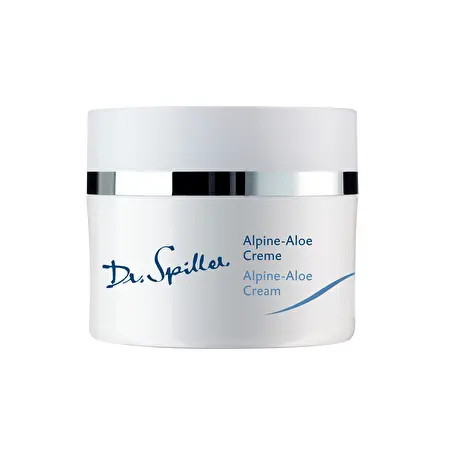
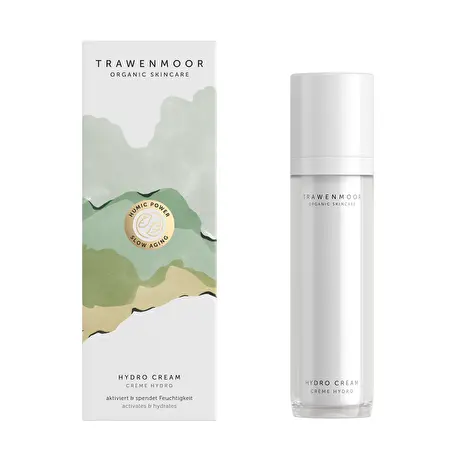
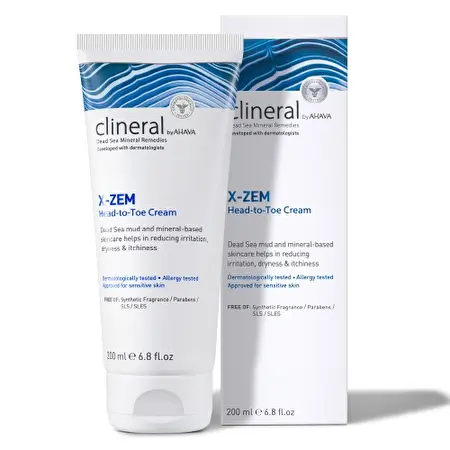
We have created a set of three products that help care for dry, irritated, and eczema-prone skin every day. These products gently cleanse, restore the damaged barrier, and provide long-lasting hydration - the key steps sensitive skin needs.