Facial exfoliation: physical, acid, and enzyme methods
Why is facial exfoliation important?
The skin renews itself every 28 days. With age, this cycle slows down - cells accumulate on the surface, the face looks dull, pores become clogged, and creams no longer absorb as well as you would like. This is exactly when facial exfoliation helps, removing the layer of dead cells and restoring smoothness to the skin.
Clients often ask whether exfoliation is really necessary if the skin already looks good. The short answer is yes. Regular exfoliation improves skin tone, reduces minor unevenness, and helps serums work deeper. The only important thing is not to overdo it.
What Are the Types of Skin Exfoliation?
Exfoliating products are divided into three groups: mechanical, chemical, and enzymatic. Each group works in its own way and is best suited to different skin types. You should choose not based on trends, but according to your skin’s sensitivity and needs.
Mechanical (Physical) Exfoliation
These are classic scrubs with granules—sugar, salt, jojoba beads, or crushed seeds. They work simply: as you massage, the granules remove surface cells. Suitable for normal and oily skin when the granules are round and gentle. Granules with sharp edges (e.g., apricot kernel powder) should be avoided—they can scratch the skin.
Chemical Skin Exfoliation
Chemical skin exfoliation works without friction. Acids break down the bonds between dead cells, allowing them to shed naturally. AHA acids (glycolic, lactic, mandelic) work on the surface—they even out skin tone and brighten pigmentation spots. BHA acids (salicylic) penetrate into the pore and cleanse it from within. If you want to understand how they work in more depth, read the AHA acids guide, and for clogged pores, BHA acids for pores will help.
Enzymatic Exfoliation
The gentlest of all. Enzymes (papaya, pineapple, pumpkin) break down only dead cells and do not affect living tissue. An enzyme exfoliator often comes in powder form—activated with water directly in the palm of your hand. This is the best choice when you need gentle yet effective renewal without any friction.
How to Choose According to Skin Type?
BHA and gentle mechanical exfoliation are suitable for oily and combination skin. For dry and mature skin, AHA acids are the best choice—they not only exfoliate but also attract moisture. Enzymes or lactic acid in a lower concentration are intended for sensitive skin. For acne-prone skin—salicylic acid, without mechanical action.
How can you tell if you are exfoliating too often? Our cosmetologists notice that this is one of the most common mistakes - clients start using acids every other day and, after two weeks, come in with red, tight-feeling skin. We recommend starting with once a week. If your skin reacts calmly, after two weeks you can increase it to twice a week. Signs that you need to pause: burning, shiny, tight-feeling skin, small red spots on the cheeks. In this case, take a break for a week and return to a gentler product - enzymes or lactic acid.
How to Safely Exfoliate Your Skin at Home?
Start with a clean face - use a gentle cleanser and pat your skin dry with a towel. If you choose a mechanical exfoliator, apply it to damp skin and massage with gentle circular motions for about a minute. Do not press - the granules should roll over the surface of the skin, not scratch it. Rinse with lukewarm water.
Use acid-based products (toners, serums) in the evening, on a dry face, after cleansing. Wait 5-10 minutes, then apply a moisturizer. Mix enzyme powders in your palm with water until they foam and leave on the face for 1-2 minutes.
In the morning after exfoliating, ALWAYS use an SPF 30 or higher sunscreen - even in winter. Exfoliated skin is more sensitive to the sun; otherwise, pigmentation spots may quickly appear. Avoid exfoliating on the same day you use retinol or vitamin C in a high concentration - this is too much stress for the skin.
You can find a wider selection in the face exfoliators category, where products are organized by skin type.
Our Cosmetologists’ Recommendations
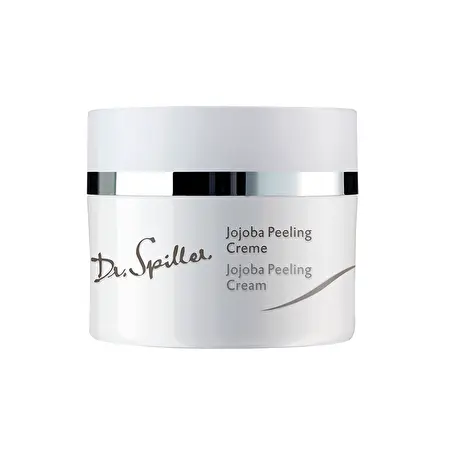
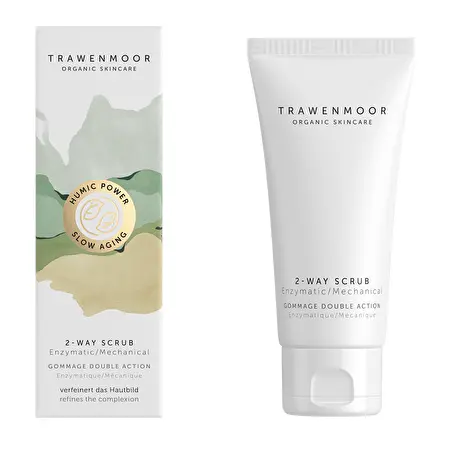
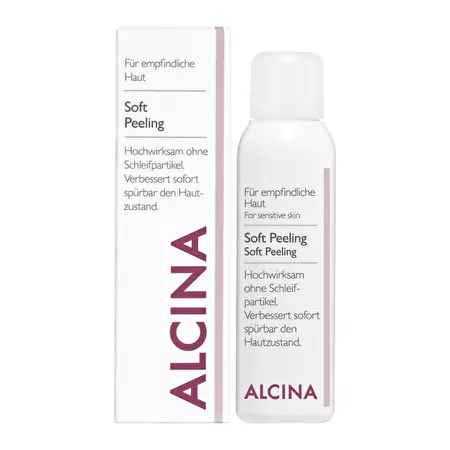
We have put together three different options so you can find the one that is right for your skin. One is designed for gentle daily exfoliation with natural granules, another for a universal routine with a dual function, and the third for sensitive skin with visible capillaries that needs renewal without any friction.