Hair Loss: Causes and What Can You Do Today?
How Much Hair Loss Per Day Is Normal?
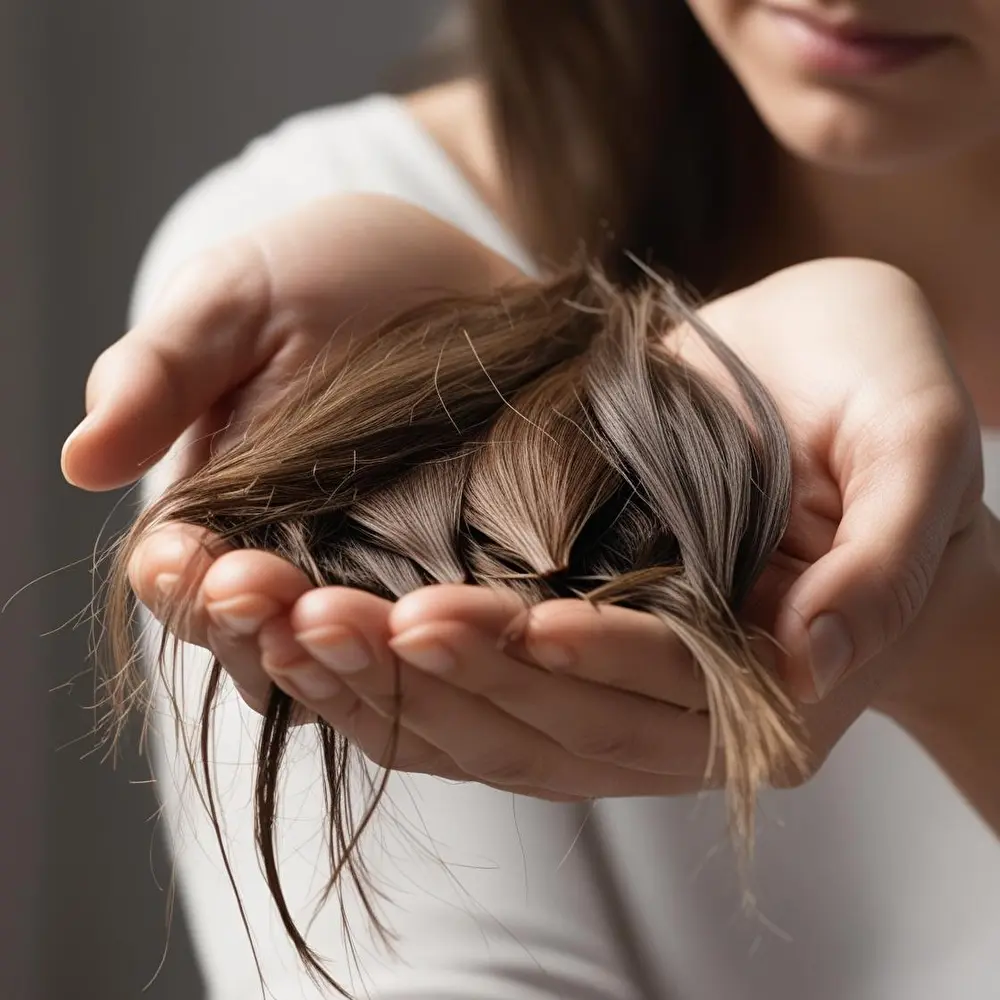
A healthy person naturally loses 50-100 hairs per day. This is part of the hair growth cycle - some hairs fall out, while others grow. Hair loss becomes a problem when you notice noticeably more hair than before on your pillow, in your brush, or in the bath, when your parting becomes wider, or your forehead appears higher.
Clients often come to us only when their hair has been thinning for several months. Hair loss noticed early responds much better to care. Time is the most important factor here, so you need to react immediately.
Why Does Hair Fall Out and What Are the Types of Hair Loss?
Hair loss never occurs without a reason. Most often, the causes can be divided into several groups, and understanding the true cause is essential before starting any care routine.
Hormonal Changes
This is the most common cause. Hair loss in men usually starts at the crown or temples and is related to androgens - this is called androgenetic alopecia. In women, hormonal hair loss often begins after childbirth, during menopause, or due to thyroid disorders. In this case, the hair thins evenly, especially in the crown area.
Stress and Lifestyle
Severe emotional shock, chronic fatigue, or lack of sleep causes what is known as telogen alopecia - hair massively enters the shedding phase and begins to fall out approximately after 2-3 months. Many clients do not associate hair loss with a difficult experience they had a couple of months earlier. We wrote more about the effects of stress and cortisol in a separate article.
Nutritional Deficiencies
A lack of iron, zinc, biotin, vitamin D, and protein is first reflected in the hair. Strict diets, vegetarian diets without supplements, irregular eating - all of this leaves follicles without building materials. The hair becomes thinner, breaks, and does not grow in length.
Scalp Health
Dandruff, seborrheic dermatitis, excess sebum production, or clogged follicle openings interfere with hair growth. The scalp is the soil - if it is unhealthy, the hair has no foundation to become stronger. This is an often-forgotten part of hair care.
External Damage
Heat styling, frequent coloring, harsh shampoos with sulfates, tight ponytails - all of this breaks the hair and traumatizes the roots. Hair loss here is often confused with hair breakage, but both require attention.
Can you recognize your own case? Often, there are several causes at once, which is why a comprehensive approach works best.
When does hair loss become a serious sign to consult a specialist? Our cosmetologists notice that many clients wait too long — until hair loss becomes visible from a distance. We recommend taking action when you see more than 100–150 hairs on your pillow every day, when your parting becomes noticeably wider, or when hair falls out in clumps. We advise starting with blood tests — iron, ferritin, vitamin D, and thyroid hormones. Only when we know the cause do we select the right care. Shampoo alone will not help if you are low in iron, and supplements alone will not help if the scalp is clogged. It is always a multi-step process.
What to do to prevent hair loss - daily steps?
Strengthening hair is a long-term process. You will see the first changes no earlier than after 2-3 months, as this is the hair growth cycle. But you need to start today.
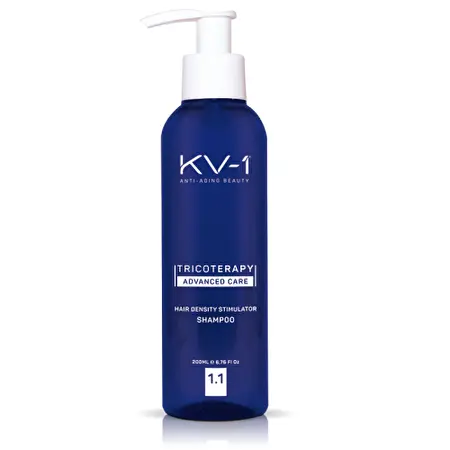
The scalp is the priority. Use a strengthening shampoo with caffeine, niacinamide, or plant extracts twice a week. Wash with lukewarm, not hot, water. Apply shampoo to the scalp and gently massage with your fingertips for 1-2 minutes - this improves circulation and activates the follicles.
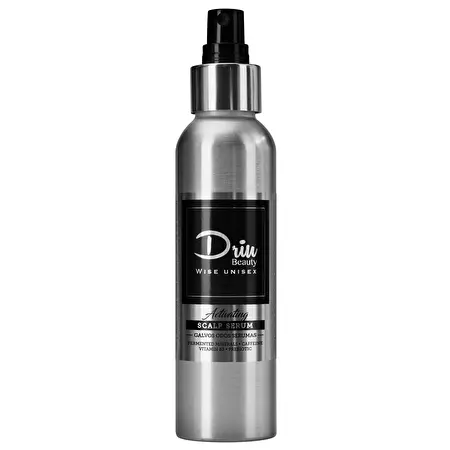
Scalp serums with ampoule-level concentrations work most effectively. Apply them to dry or damp skin daily or as directed. Properly selected hair care products visibly reduce the amount of hair shedding within a few months.
A few things should be avoided: aggressive sulfate shampoos, tight hairstyles, daily hot styling without protective products, and aggressive brushing of wet hair. Wet hair is at its weakest - this is when it breaks most easily.
Nutrition is also important. Include eggs, fish, nuts, leafy greens, and legumes in your weekly diet. If you know you are deficient in iron or vitamin D, supplements will help.
Our Recommended Products for Hair Loss
Combating hair loss requires products that work exactly where the problem begins - in the scalp and follicles. Below you will find three products recommended by cosmetologists, designed to strengthen hair roots, improve scalp condition, and reduce hair loss with consistent use.