Keratosis: What Is It, Types, and How to Care for Your Skin Properly?
What Is Keratosis and Why Does It Occur?
Keratosis is a skin condition in which the keratin protein begins to accumulate in the upper layer of the skin. As a result, the skin becomes rough, with small bumps or more noticeable patches appearing on it. It is not a disease. It is usually a harmless but aesthetically bothersome skin change that most people experience at least once in their lifetime.
The causes vary depending on the type. Some forms of keratosis are influenced by genetics, while others are affected by accumulated sun exposure or natural skin aging. Our cosmetologists see every day how differently this condition appears in clients of various ages.
What are the main types of keratosis?
There are three most common forms of keratosis. Each has its own signs, causes, and care principles. Identifying the type is the most important step before starting care.
Seborrheic keratosis
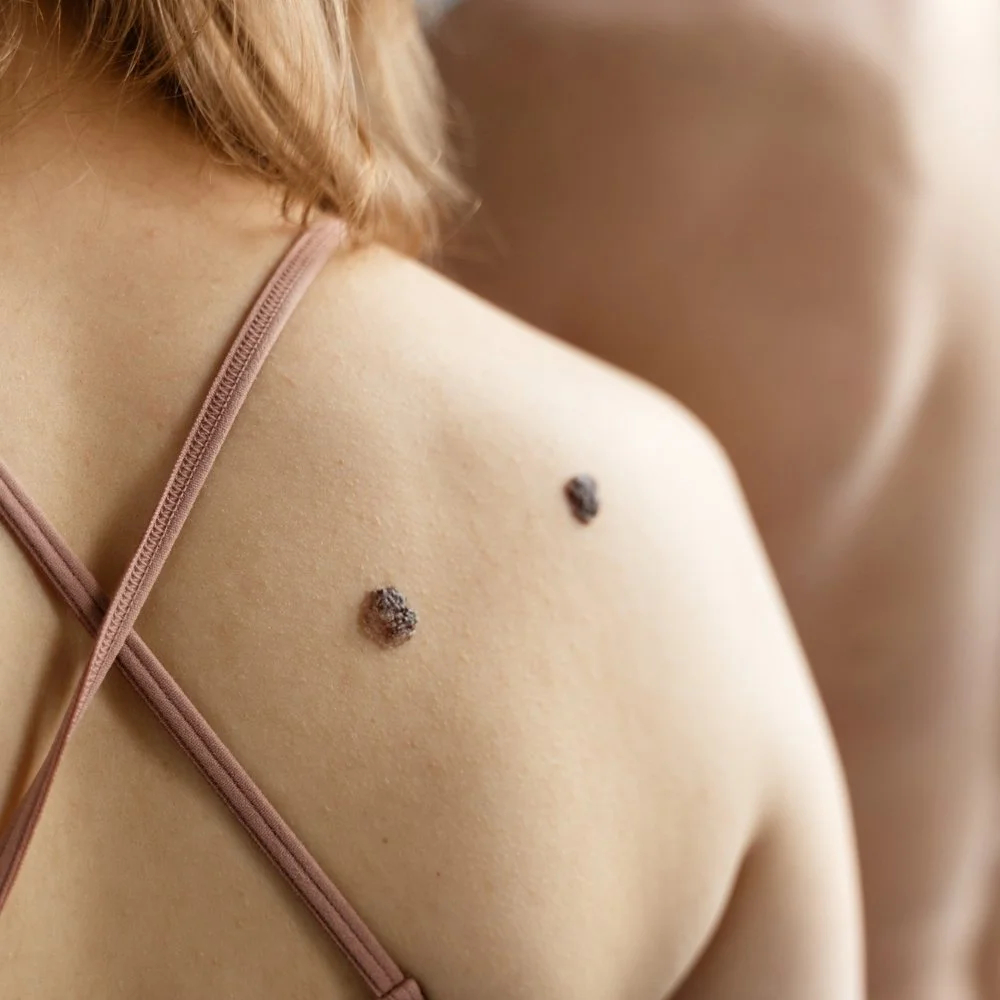
Seborrheic keratosis is benign skin growths that most often appear after the age of 40-50. They look like light brown, dark brown, or even black spots, slightly raised above the skin’s surface. The surface may be waxy or slightly rough. The most common areas are the chest, back, face, and neck.
These spots are not dangerous. But they tend to increase in number with age. Genetic predisposition plays a major role here - if your parents had seborrheic keratosis, there is a high chance that it will appear for you as well. If a spot starts to change color, shape, or itch, it is necessary to consult a dermatologist.
Actinic keratosis
Actinic keratosis is rough, dry, flaky patches that appear due to long-term exposure to ultraviolet rays. The most common areas are the face, edges of the ears, bald scalp, and tops of the hands. The color ranges from pinkish to brownish, and the surface resembles sandpaper.
This form is considered a precancerous condition. Some actinic keratosis patches may turn into skin cancer over time, so they must be evaluated by a dermatologist. The main preventive measure is daily sun protection and regular skin checks.
Keratosis pilaris
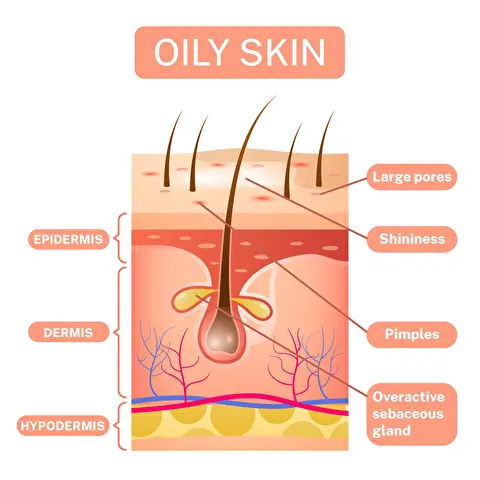
Keratosis pilaris is those same small “goosebump” bumps on the upper arms, thighs, and sometimes the cheeks or buttocks. Hair follicles become clogged with keratin, and the skin becomes uneven and bumpy. It is most often noticed during adolescence but can persist throughout life.
This form of keratosis is not dangerous in any way. It is a genetic trait common to about 40% of adults. Gentle chemical exfoliation provides the best results. AHA acids, especially lactic and glycolic acids, help separate accumulated keratin cells and gradually smooth the skin’s surface. Moisturizing after exfoliation is an essential step, because dry skin only makes unevenness more noticeable.
Why does aggressive exfoliation only make keratosis pilaris worse? Our cosmetologists see clients every day who try to combat rough skin with harsh sponges or abrasive scrubs. This is a big mistake. Mechanical exfoliation irritates the follicles and makes the skin even redder. We recommend switching to chemical exfoliation—body lotions with 5-10 % lactic acid or urea. Use 2-3 times a week, in the evening, on dry skin. After 4-6 weeks, you will notice that the skin texture becomes smoother and the bumps are less visible. The most important things are patience and consistency.
How to Care for Skin with Keratosis Daily?
Care is based on three pillars: gentle exfoliation, hydration, and sun protection. The first step is cleansing with a mild, sulfate-free cleanser. Harsh cleansers dry out the skin barrier, and the skin responds with even greater roughness.
The second step is chemical exfoliation. Serums with AHA or BHA acids are suitable for the face, while lotions with urea or lactic acid are suitable for the body. Start twice a week and gradually increase the frequency if your skin tolerates it. No mechanical scrubbing. No rough sponges.
The third step is a moisturizing cream. Look for ceramides, glycerin, and niacinamide in the formula. A properly chosen cream for keratosis can fundamentally change the skin’s texture within a few weeks.
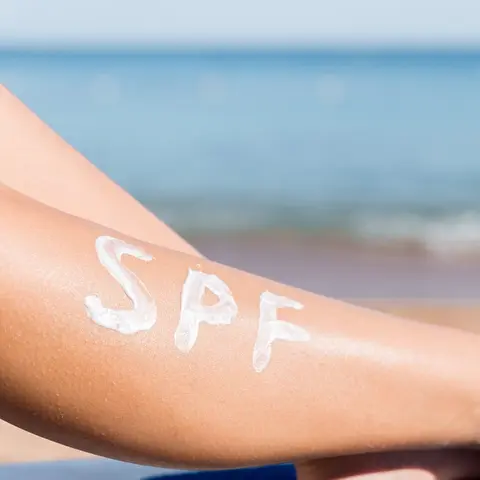
The fourth, but most important, step is sun protection. For actinic keratosis, this is vital, but for other forms as well, sun protection reduces pigmentation and slows aging. SPF 30–50 every day, all year round, regardless of the weather.
Recommendations from Our Cosmetologists
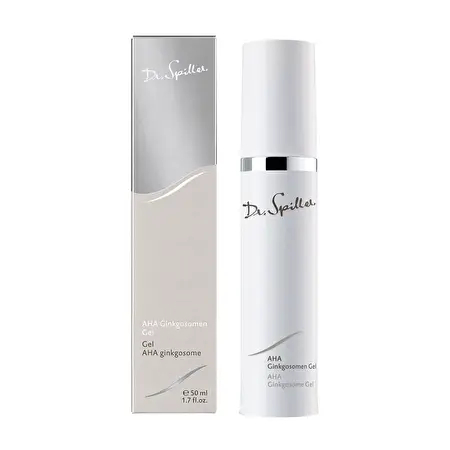
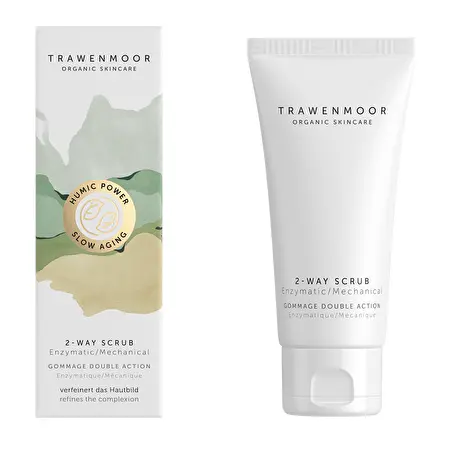
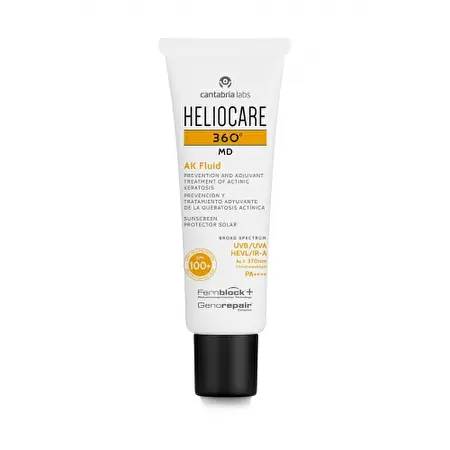
We have selected three products that are ideal for skin affected by keratosis. They gently exfoliate, moisturize, and restore the skin barrier. Suitable for both the face and body, depending on the type of keratosis. Start with one product and gradually add the others while monitoring your skin’s reaction.