Cellular regeneration and skin rejuvenation: what is it and why is it important for the skin
What Is Skin Regeneration and Why Is It Important?
Skin regeneration is a natural process during which old cells shed and are replaced by new ones. This rhythm determines how quickly minor wounds heal, how smooth the facial surface appears, and how pronounced fine lines are. Healthy skin renews itself naturally.
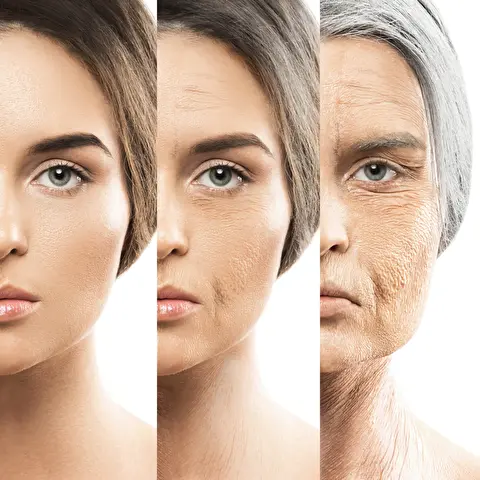
However, with age, as well as due to the sun, stress, and pollution, this process slows down. Cells remain on the surface longer, the skin becomes duller, drier, and loses firmness. That is why skin rejuvenation often begins not with procedures, but with supporting cell renewal at home — using properly selected serums and regenerating creams.
How Does Skin Cell Regeneration Work?
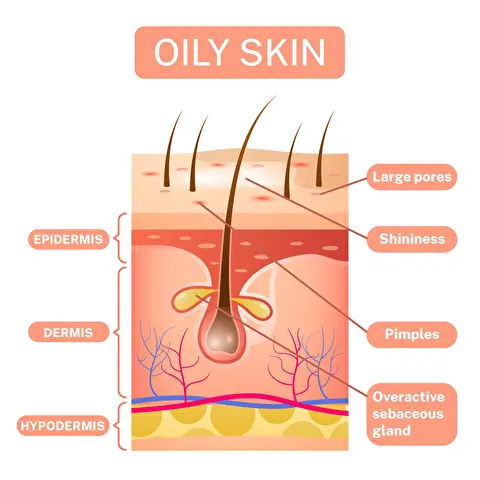
To understand what regeneration is, it is worth briefly returning to the basics and recalling the structure of the skin. The skin is made up of several layers, and the renewal process begins in the deepest of them.
What Is a Cell
A cell is the smallest living unit of the skin. It has its own life cycle: it is born, matures, performs its function, and eventually sheds. Skin cells, keratinocytes, are formed in the deep layer of the epidermis and gradually travel to the surface. In a young body, this journey takes about 28 days.
What Is Cell Regeneration
Regeneration is the production of new cells and the replacement of old ones. This happens constantly, every second. Stem cells in the basal membrane of the epidermis divide, produce new keratinocytes, and older cells are pushed upward. By the time they reach the surface, they have already become keratinized and naturally shed.
How Renewal Takes Place in the Skin Layers
After the age of 25-30, the cell renewal cycle lengthens to 40 days, and after the age of 50 - to 60 days or more. At the same time, collagen and elastin production in the dermis slows down. As a result, the skin looks tired, uneven in tone, and has more difficulty recovering after sun or cold exposure. Free radicals also contribute to this - they damage cell membranes and DNA, further slowing down the natural process.
What Stimulates Skin Cell Renewal
Gentle exfoliation with AHA or PHA acids helps remove the thickened stratum corneum and “encourages” the lower cells to rise to the surface faster. Retinoids work at a deeper level - they stimulate cell division and collagen synthesis. Peptides send signals to cells to renew. Plant stem cell extracts and growth factors support the activity of basal cells. Antioxidants - vitamin C, E, ferulic acid - protect newly produced cells from oxidative stress.
Are all these ingredients needed together? No. Consistency and the right concentration for the skin type are more important. That is why regenerating creams often combine 3-4 active ingredients in a carefully considered proportion.
Why is a moisturizer alone no longer enough after 40? Our cosmetologists notice that clients of this age often come in complaining that their skin “no longer glows” and has a harder time recovering after sleepless nights. The reason is simple - slowed cell regeneration. We recommend complementing your nighttime routine with a regenerating cream containing peptides, growth factors, or plant stem cell extracts. At night, the skin renews itself most intensively, making this the most valuable time. But it is important not to overload it: one targeted product works better than three different ones at the same time. You will see the effect after 4-6 weeks of consistent use, as this is the duration of one renewal cycle.
How to Choose and Use Regenerating Creams?
Regenerating creams differ from regular moisturizers in that they contain active ingredients that work at the cellular level. However, using them also requires more attention. Start with 2-3 times a week in the evening, and if the skin tolerates it, move on to daily evening use.
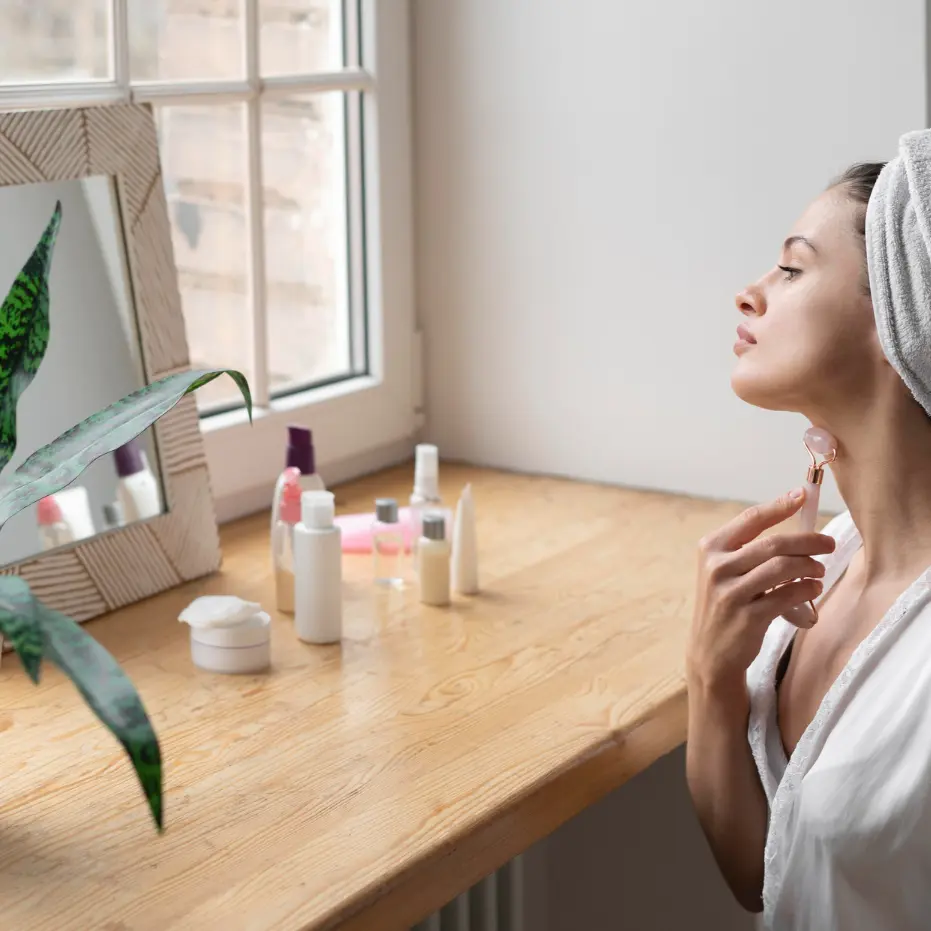
The most important rule - regeneration takes place at night, so apply such creams in the evening, on clean, dry skin. First apply serum, followed by a thin layer of cream. Don’t forget the neck and décolleté - these areas age faster than the face.
When choosing face creams with a regenerating effect, pay attention to the composition. Peptides and growth factors are suitable for mature skin. For sun-damaged skin - antioxidants with vitamin C. For dry, tired skin - lipids and ceramides together with active ingredients that promote renewal.
Can retinoids and acids be used at the same time? No. This would overload the skin and cause irritation. One evening - acids, the next - a retinoid or peptide cream. And always use SPF in the morning, because renewed skin is more sensitive to UV rays.
Our Recommended Products for Skin Regeneration
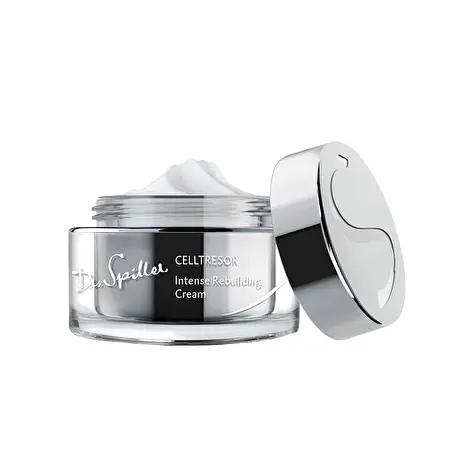
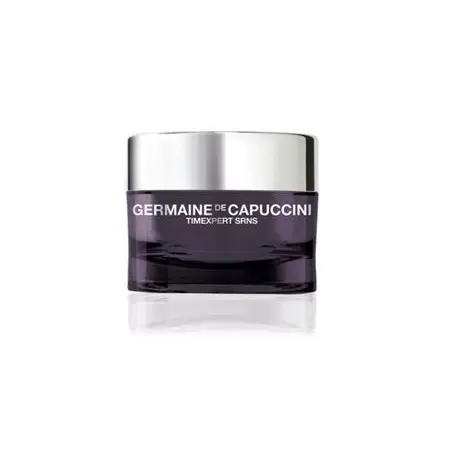
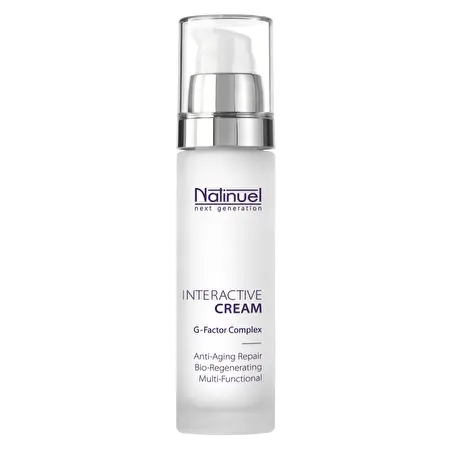
We have selected three creams from different brands that specifically support cell renewal. One focuses on a powerful restorative effect with plant stem cell extracts, another is designed for the renewal of mature skin, and the third stands out with growth factors that are close to the skin’s natural signals. Choose according to your skin’s needs and age.