Psoriasis: What Is It, Symptoms, and How to Care for the Skin?
What Is Psoriasis and Why Does It Occur?
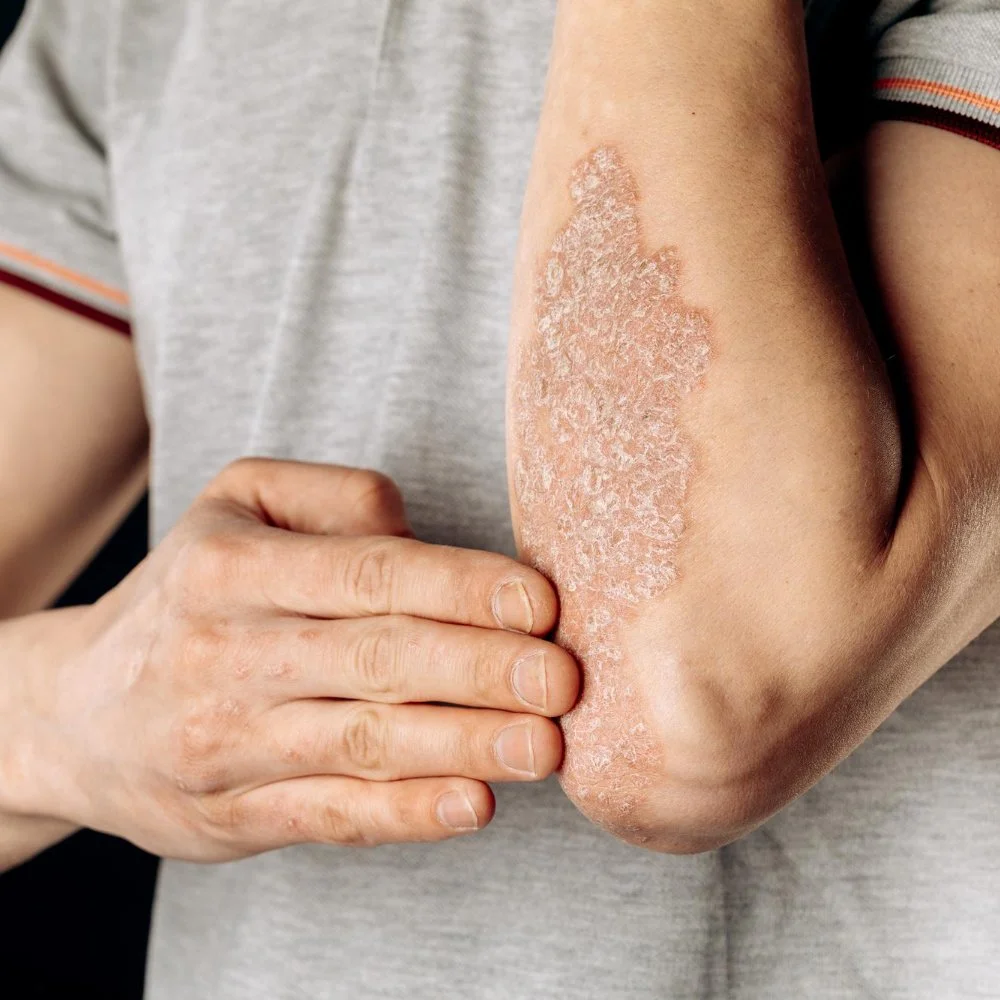
Psoriasis is a chronic autoimmune skin disease in which the immune system mistakenly attacks its own skin cells. As a result, the cell renewal cycle shortens from the usual 28 days to around 3-4 days. New cells build up on the surface faster than old ones can shed. This leads to the formation of thick, red patches covered with silvery scales.
Why does this happen? Science does not yet know the exact cause. It is known that psoriasis is hereditary - if one parent has it, the child’s risk increases to around 15 %. The condition is triggered by various factors: stress, infections, injuries, certain medications, or even changes in the weather.
What Are the Types of Psoriasis and How to Recognize the Symptoms?
Psoriasis is not one single uniform disease. It has several types, which differ both in appearance and in where they occur on the body. Knowing which type you are dealing with helps to choose the right care and treatment.
Plaque Psoriasis
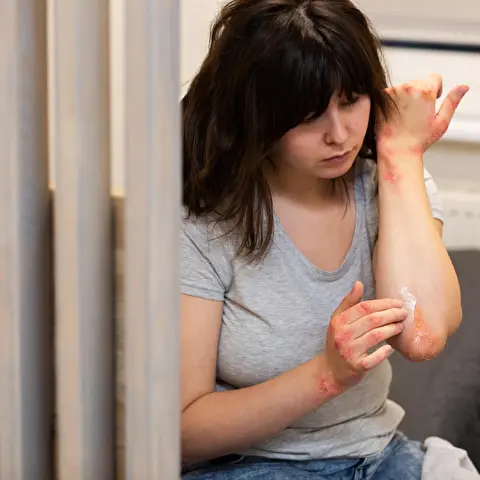
This is the most common type - around 80-90 % of all cases. Clearly defined, reddened patches with silvery or whitish scales appear on the skin. The most common areas for this psoriasis are the elbows, knees, lower back and scalp. The patches often itch and sometimes hurt.
Scalp Psoriasis
Plaques appear under the hair and are easily confused with seborrheic dermatitis. The difference is that psoriasis scales are thicker, drier and often extend beyond the hairline onto the forehead or behind the ears. Many female clients notice this type first.
Inverse Psoriasis
It appears in skin folds - under the breasts, in the groin, and in the armpits. Here the skin is shiny, reddened, but without pronounced scaling, because the folds are moist. This type is often confused with a fungal infection or forms of eczema.
Guttate and Pustular Psoriasis
Guttate psoriasis appears after a severe infection, most often after tonsillitis - the body becomes covered with small, drop-shaped spots. Pustular psoriasis is rarer and more severe - white pus-filled blisters appear. These types require a consultation with a dermatologist.
Main Symptoms of Psoriasis
Female clients often ask how to distinguish psoriasis from simple skin dryness or dermatitis. Typical signs include clearly defined plaques with silvery scales, itching, skin dryness to the point of cracking, and sometimes nail changes - pitting and separation from the nail bed. About one third of people with psoriasis also develop joint pain - this is psoriatic arthritis, which requires the attention of a rheumatologist.
Is psoriasis contagious? No. This is one of the most important things we want to say - psoriasis is not transmitted by shaking hands or by socializing in a swimming pool. It is a reaction of your own immune system, not an infection.
When does psoriasis require a doctor’s consultation, and when is good daily care enough? Our cosmetologists notice that many clients try to manage it on their own for too long and come in when the skin is already deeply cracked. Our advice is simple: if the plaques cover more than 3 % of the body surface (an area roughly the size of a palm is 1 %), if nail changes or joint pain appear, see a dermatologist. At the salon, we can help soften the skin, reduce itching, and select daily care, but we do not treat the disease itself — that is the domain of medical professionals.
How to Care for Psoriasis-Affected Skin Daily?
Proper care will not cure psoriasis, but it will significantly reduce the frequency and intensity of flare-ups. Here are the main principles we apply when working with clients.
Moisturizing is the foundation. Skin affected by psoriasis loses moisture faster than healthy skin. Moisturize at least twice a day with a thick layer of cream, especially after showering while the skin is still damp. This helps retain moisture in the skin.
For washing, choose lukewarm, not hot, water. Heat triggers itching and dries out the skin. Instead of regular soap, use gentle, sulfate-free cleansers or oil-based shower products. After showering, pat the skin dry with a towel; do not rub.
Avoid mechanically peeling off scales. I know the temptation is strong—but when plaques are torn off, the skin responds with the Köbner phenomenon: new plaques appear exactly at the site of the trauma. The scales will come off on their own when the skin is sufficiently moisturized.
When choosing cosmetics, it is worth first reviewing the section products for sensitive skin—there you will find products without alcohol, fragrances, and aggressive preservatives that irritate damaged skin. Oil-based balms work better than water-based lotions.
Monitor the factors that trigger flare-ups. Stress, alcohol, smoking, cold weather, and certain foods—everyone’s “triggers” are different. Keep a diary for 2–3 months, and you will see the connections.
Our Recommendations for Psoriasis-Affected Skin
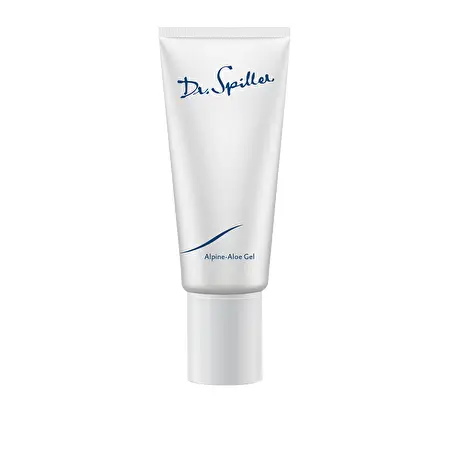
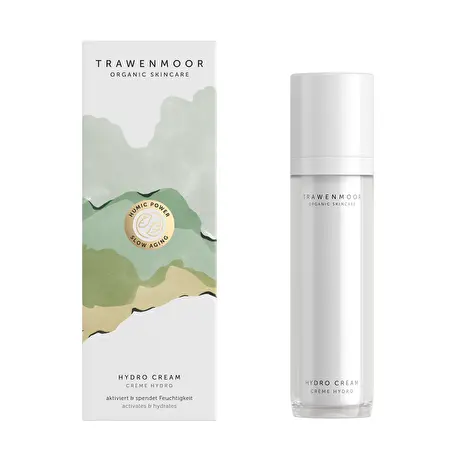
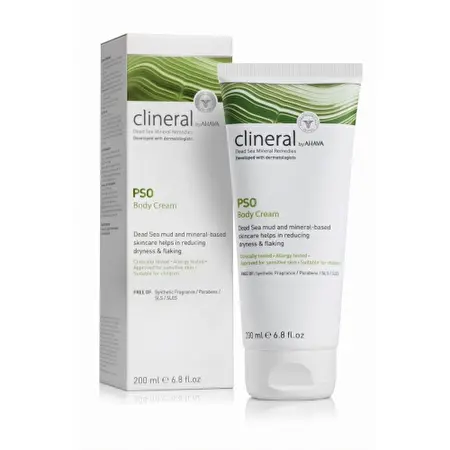
We have selected three products that have proven most effective in our cosmetologists’ work for psoriasis. All of them are suitable for daily care between flare-ups and can be used alongside treatment prescribed by a doctor. Three different purposes: cleansing, deep hydration, and targeted care for affected areas.