Why Does Skin Dry Out Faster in Winter Than in Summer?
Cold outdoor air and dry indoor air affect the skin at the same time. Moisture evaporates from the skin faster, while the sebaceous glands work more slowly. As a result, the skin barrier becomes thinner and allows more water to escape. Tightness after washing, fine flaking on the nose, and redness on the cheeks appear.
Have you noticed that the same cream that worked perfectly in September is no longer enough in December? This is not a coincidence. In winter, facial skin hydration in winter requires richer textures and more lipids. A summer routine simply cannot keep up with compensating for moisture loss.
Which winter mistakes dry out the face the most?
Clients come in for consultations with the same problem: “I do everything the same, but my skin feels tight.” That is exactly why. In winter, you do not need to change everything, but a few important details do need to change.
Hot water when washing your face
A hot shower feels pleasant, but it is disastrous for the skin. High temperatures dissolve the skin’s lipids, which keep moisture inside. After washing this way, the face immediately starts to feel tight. Wash with lukewarm water, no hotter than your body temperature. It is simple, but it makes a big difference.
A cleanser that is too harsh
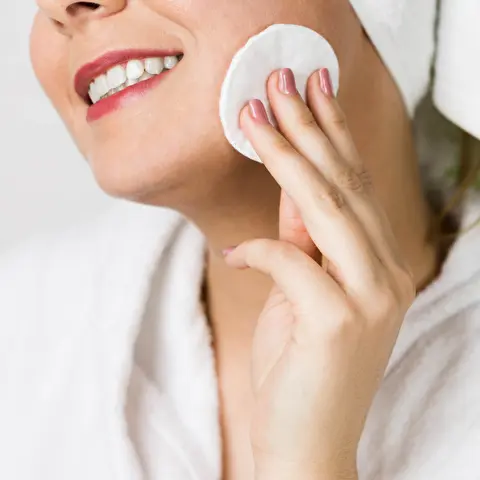
Foaming cleansers with sulfates work well in summer, but in winter they strip away too much. Dry skin care in winter starts with a gentle cleanser — a milk, oil, or cream texture. After cleansing, the skin should feel clean, but not tight.
A lightweight summer cream
A gel cream with hyaluronic acid hydrates beautifully in summer. In winter, it is not enough on its own. Hyaluronic acid attracts moisture, but without a lipid layer, that moisture simply evaporates into the dry air. You need to layer: a serum with hydrating ingredients, and over it, a richer cream with ceramides, oils, or butters.
Exfoliating too often
Acids and exfoliants thin the stratum corneum. In winter, when the barrier is already weak, this leads to redness and tingling. Reduce exfoliation to once a week, and if your skin is sensitive — to twice a month.
Forgetting SPF
Winter does not cancel out UV rays. Snow reflects up to 80% of UVB rays, while UVA rays penetrate through clouds and windows. SPF is essential in winter, especially if you ski or work by a window. We will discuss this in more detail later.
Want to understand the logic of the entire routine in greater depth? Read our guide “daily skin care routine” and the separate article “the importance of hydration during the winter season”.
Why does your skin feel tight immediately after washing, even when you apply cream right away? Our cosmetologists note that the culprit is most often not the cream, but the cleanser and water temperature. We recommend a simple test: for one week, wash your face with lukewarm water and a gentle cream-textured cleanser, and apply your cream to slightly damp skin—not completely dry skin. This one change can sometimes solve the problem without any additional products. If your skin still feels tight after two weeks, then it is worth adding a richer night cream or facial oil on top of your usual product.
How to Build a Winter Face Care Routine Step by Step?
The morning begins with a gentle cleanser and lukewarm water. Apply toner or a moisturizing essence to a slightly damp face—this helps lock in moisture more effectively. Next, use a serum with hyaluronic acid or glycerin, followed by a richer cream. The final step is SPF 30 or 50, even if it is cloudy outside. Skin barrier protection is not complete without a UV filter.
In the evening, the routine is similar, but without SPF. If it was a long day and you used SPF or makeup, cleanse twice: first with an oil-based cleanser, then with a gentle cleanser. Choose a richer cream than in the morning—at night, the skin regenerates and readily absorbs lipids, ceramides, and squalane.
Once a week, you can add a moisturizing mask or face oil as the final layer. Use acids only if your skin tolerates them—not every day and not together with retinol on the same evening. Browse our selection of “winter face creams” by skin type.
What we recommend for your winter routine
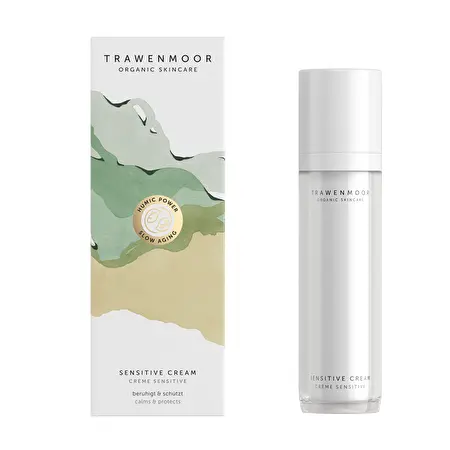
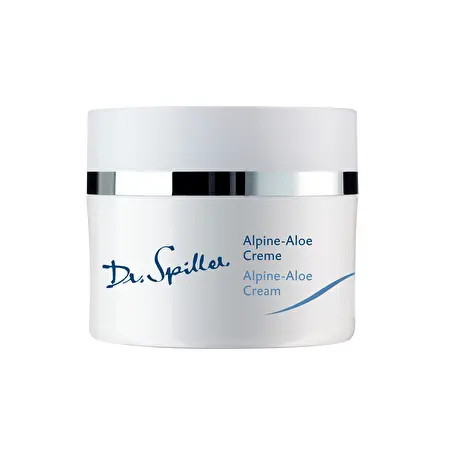
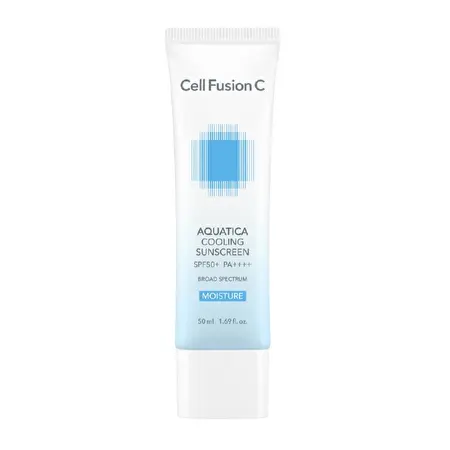
We have selected three products that help maintain moisture and protect the skin barrier during cold weather. One cream is designed for dry and sensitive skin, another provides a feeling of comfort even for tight skin, and the third ensures UV protection even in winter. This combination is sufficient for most skin types.