Body Exfoliation Done Right: Frequency, Products, and Skin Types
Why is body exfoliation important for overall skin care?
The skin on the body renews more slowly than the skin on the face. As a result, dead cells tend to build up on the elbows, knees, lower legs, and feet. This is exactly why the skin becomes rough, dull, and uneven.
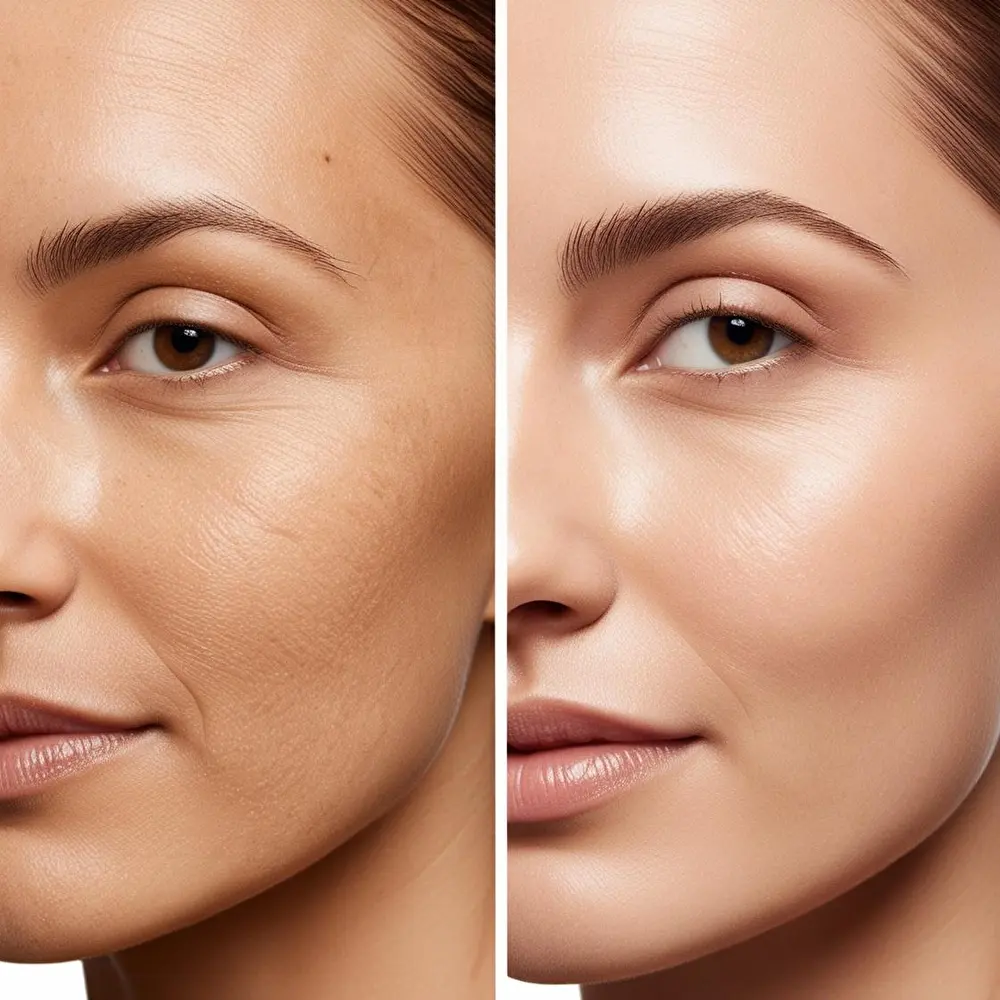
Regular body exfoliation removes this layer and allows creams and oils to absorb more deeply. Our cosmetologists notice a simple pattern: when a client starts exfoliating the body consistently, she needs fewer moisturizing products, and the skin looks fresher. Did you know that uneven exfoliation is often the cause of ingrown hairs after shaving?
How to Choose the Right Body Scrub?
Body scrubs are divided into two main groups: mechanical and acid-based. Both work differently, and confusing them is the most common mistake we see in practice.
Mechanical Body Exfoliation
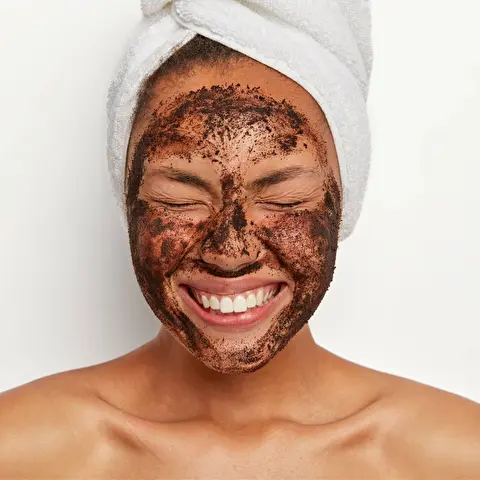
Mechanical body exfoliation relies on physical particles - sugar, salt, ground pits, synthetic granules. They buff away the surface layer of dead cells when massaged in by hand. Such scrubs are ideal for thicker body skin: calves, elbows, feet. For dry skin, it is better to choose oil-based formulas; for oilier or combination skin - gel-based ones.
It is important to mention that the grains should be round, not sharp. Sharp particles cause micro-tears. The skin then becomes red and sensitive. Similar principles apply when choosing a facial exfoliator, only body exfoliating particles can be larger.
Acid-Based Body Exfoliation
Acid-based body exfoliation works chemically. AHA acids (lactic, glycolic) loosen dead cells on the surface, allowing them to shed naturally. BHA (salicylic) acid goes deeper into the pores. This form is suitable when body skin is prone to spots on the back, shoulders, chest, or when ingrown hairs are visible.
Acid exfoliation is gentler from a mechanical perspective, but SPF protection is needed the next day. For sensitive skin, we recommend starting with a lower concentration and using it twice a week.
Skin Type Determines the Choice
For dry skin, oil-textured mechanical scrubs with sugar or gentle lactic acid work best. For sensitive skin - enzyme exfoliators that work without rubbing and without strong acids. For oily or acne-prone body skin - BHA acids or lightweight gel-based mechanical options.
In winter, body exfoliation is especially important because the skin becomes dry and rough more quickly. We wrote more about this in the section on skin care in winter. For those who want to explore the topic in even greater depth, we suggest reading our broader guide to skin exfoliation.
How often should you exfoliate your body to avoid harming your skin? Our cosmetologists recommend a simple routine: for normal body skin - 2 times a week, for dry or sensitive skin - 1 time, for oily or blemish-prone skin - up to 3 times. Customers often make the mistake of exfoliating daily before showering and expecting faster results. The skin then loses its protective barrier, and tightness and redness appear. In short: less is more. After exfoliating, always apply a moisturizing cream or oil while the skin is still damp - this helps moisture remain in the skin better.
How to Properly Exfoliate Your Body at Home?
Start with a lukewarm shower — the water should be warm, not hot. Hot water dries out the skin even before exfoliation. Spray or apply body scrubs onto damp skin and massage gently in circular motions for 1–2 minutes.
Do not press hard. Your hand should glide easily, not rub the skin. Be especially gentle with the inner thighs, chest area, and abdomen — the skin there is thinner. Elbows, knees, and feet can tolerate slightly more pressure.
Rinse with warm water and gently pat dry with a towel, pressing rather than rubbing. Apply body lotion or oil immediately — this is the most important step that many people skip. Did you know that moisturizer absorbs 3 times better on damp skin than on dry skin?
Use an acid body exfoliant in the evening, after showering, without rinsing. The next day, don’t forget SPF if exposed skin will be in the sun.
Three Body Scrubs for Different Skin Needs
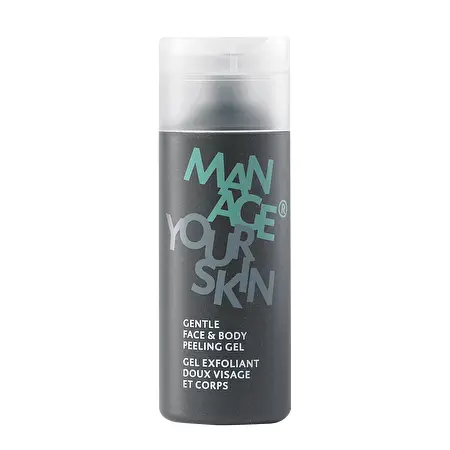
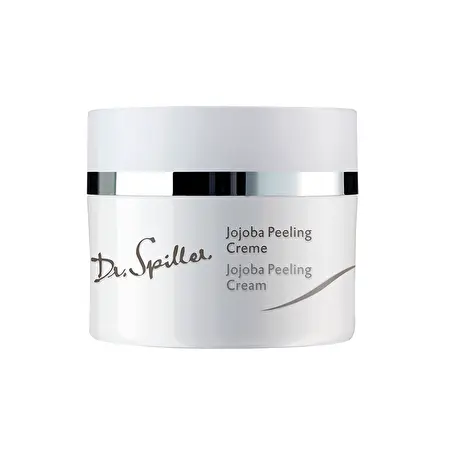
To ensure a noticeable difference after body exfoliation, we have selected three different products: a richer formula for thicker body skin, a gentle gel for more sensitive areas, and a creamy-textured option for those who do not like coarse grains. Choose according to your skin type and preferred texture.