Why does the under-eye area darken specifically in this spot?
The skin under the eyes is the thinnest on the entire face. As a result, blood vessels show through it, and any puffiness or pigmentation is immediately visible. When circulation slows down or there is a lack of sleep, blood with less oxygen appears darker, making the under-eye area look blue or purple. Sometimes this is an inherited skin characteristic, and sometimes it is a sign of lifestyle.
Customers often ask why dark circles under the eyes return even after a good rest. The answer is simple. Most often, there are several causes at the same time: dry skin, poor circulation, allergies, and long hours in front of a screen.
What Causes Dark Circles Under the Eyes?
Before choosing a care routine, it is worth understanding what actually darkens the under-eye area. There is rarely just one cause. Most often, several factors combine and intensify one another.
Genetics and Skin Structure
If darkened under-eyes have been visible since adolescence and run in the family, it is likely an inherited trait. In such cases, the skin under the eyes is especially thin, and the blood vessels beneath it are closer to the surface. Cosmetics will not eliminate the problem here, but they can noticeably soften the discoloration.
Lack of Sleep and Stress
When you sleep less than seven hours, circulation in the under-eye area slows down, and the skin becomes pale. Darker blood vessels then become even more visible. Cortisol also plays a role - stress and the skin are closely linked, as prolonged elevated cortisol weakens the skin barrier and reduces collagen production.
Dehydration and the Skin Barrier
Dry, dehydrated skin looks greyer and rougher. In the under-eye area, this is visible first. To support the skin barrier, water and lipid substances are needed - lipids fill the gaps between skin cells and prevent moisture from evaporating. When they are lacking, the under-eye area looks tired even after sleep.
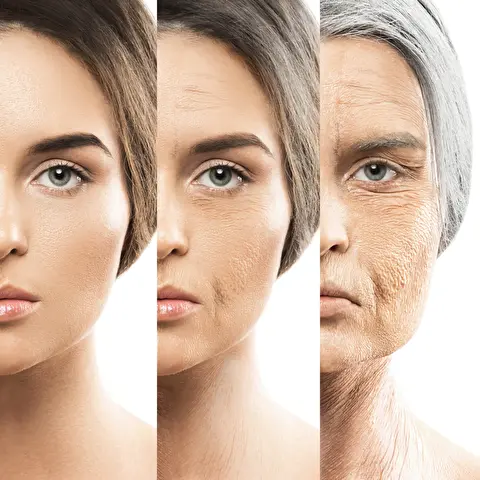
Collagen Loss with Age
From around the age of 25, collagen in the skin begins to decrease. The skin under the eyes becomes even thinner, and blood vessels become even more visible. That is why collagen for the skin is an important topic when discussing more mature under-eye care. Peptides and vitamin C help stimulate its synthesis.
Allergies and Rubbing
Seasonal rhinitis, dust mites, or unsuitable cosmetics cause swelling and itching. When you rub the under-eye area, the skin becomes irritated and pigment accumulates. Do you often notice that dark circles become more pronounced in spring? This is a common sign of allergy.
Sun and Screens
UV rays stimulate melanin production. In the under-eye area, this becomes visible faster than elsewhere. Blue light from screens contributes to oxidative stress over time. That is why SPF and antioxidants are important even when you spend a lot of time indoors.
How can you tell whether dark circles are caused by circulation or pigment? Our cosmetologists recommend a simple test: gently stretch the skin under the eye with your finger. If the dark color disappears, it is related to blood vessels and thin skin, and caffeine, vitamin K, and peptides can help. If the color remains, it is pigment, and brightening ingredients are needed: vitamin C, niacinamide, and licorice extract. We recommend not choosing aggressive products for the eye area. This area reacts sensitively, so gentle daily action provides more benefits than a strong treatment once a week.
How to Get Rid of Dark Circles in Your Daily Routine?
Start with the basics. Sleep 7–8 hours, drink enough water, and remove makeup gently, without rubbing. These habits do more than the most expensive cream.
In the morning, apply an eye cream with caffeine or vitamin K. Caffeine constricts blood vessels and reduces puffiness, while vitamin K strengthens capillary walls. In the evening, choose a more hydrating texture with peptides, niacinamide, or hyaluronic acid. The right eye cream usually starts to work after 4–6 weeks of consistent use.
Don’t forget SPF. Around the eyes, it is just as important as on the forehead. Without sun protection, pigmentation will only deepen, and collagen will break down faster. Wear sunglasses—they protect both the skin and the eyes from blue light.
What to do about morning puffiness? A cold compress for a few minutes really helps. A metal cream applicator or teaspoons from the fridge work similarly. A gentle lymphatic drainage massage with the ring finger from the inner corner of the eye outward improves circulation and reduces puffiness.
What products do we recommend for dark under-eye circles?
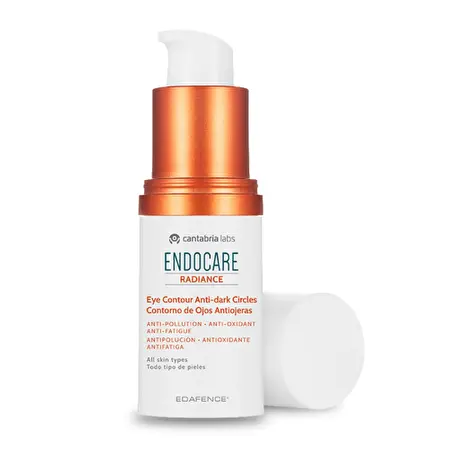
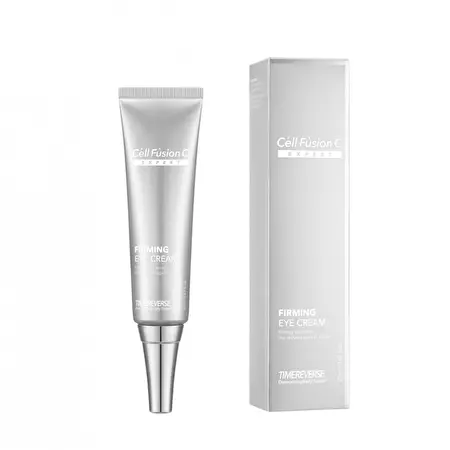
We have selected three different eye creams that address the main causes of dark circles: more pronounced pigmentation, poor circulation, and signs of fatigue. Some focus on vitamin K and strengthening blood vessels, while others focus on brightening and protection from environmental factors. Choose according to the cause that is most relevant to you.